
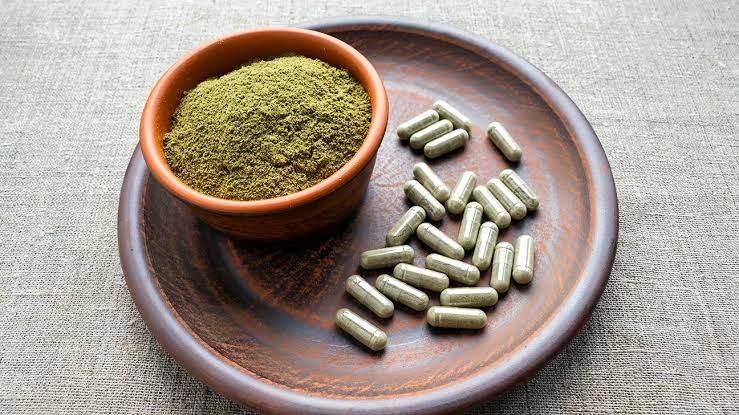
Buy the same strain name from two different sellers and you’d expect something close to the same experience. Often you don’t get one. The flavor, the texture, even the color can shift enough that it’s hard to believe both started as the same plant.
That inconsistency traces back further than the seller. It starts in the field and continues through drying. Only the strongest names among the best kratom brands manage to control for it batch after batch.
What flavor is actually telling you
Flavor isn’t just a preference detail. It’s information. Leaf dried too quickly, stored somewhere humid, or blended from mismatched harvests tends to taste dull or oddly bitter in ways that have nothing to do with the strain itself. Properly handled leaf holds a more distinct character. That consistency is one of the few things a buyer can actually taste rather than read about on a label.
Extracts make this more obvious, not less. Concentrating the leaf concentrates everything about it, including whatever went wrong earlier. A harsh or muddled taste in an extract usually isn’t a strain characteristic. It’s a processing signal, plain and simple.

What color gives away
Color tells a related story. Leaf that looks unusually pale, or shaded inconsistently batch to batch, often points to drying conditions that weren’t well controlled. Most buyers aren’t taught to look for this. Marketing rarely mentions drying schedules or humidity control. But it’s often more revealing than the strain name printed on the front.
Storage after purchase of the best kratom brands plays a role too, easy to overlook. Even well-processed product can degrade if left somewhere warm or exposed to air repeatedly. A brand doing everything right upstream can still get blamed for a flavor shift that actually happened in someone’s kitchen cabinet.
Why one jar isn’t enough to judge
Worth keeping a rough mental note across a few purchases rather than judging any single jar alone. One slightly off batch could be an outlier even from a careful seller. A pattern across several orders, where flavor, color, and texture all drift, tells a more reliable story than any single data point.
Building a baseline worth trusting
Buyers who pay attention long enough develop something close to a baseline expectation for a given strain, independent of marketing language. That baseline becomes a genuinely useful filter. Slower to build than reading a certificate. Harder for any seller to fake once it’s there.
