
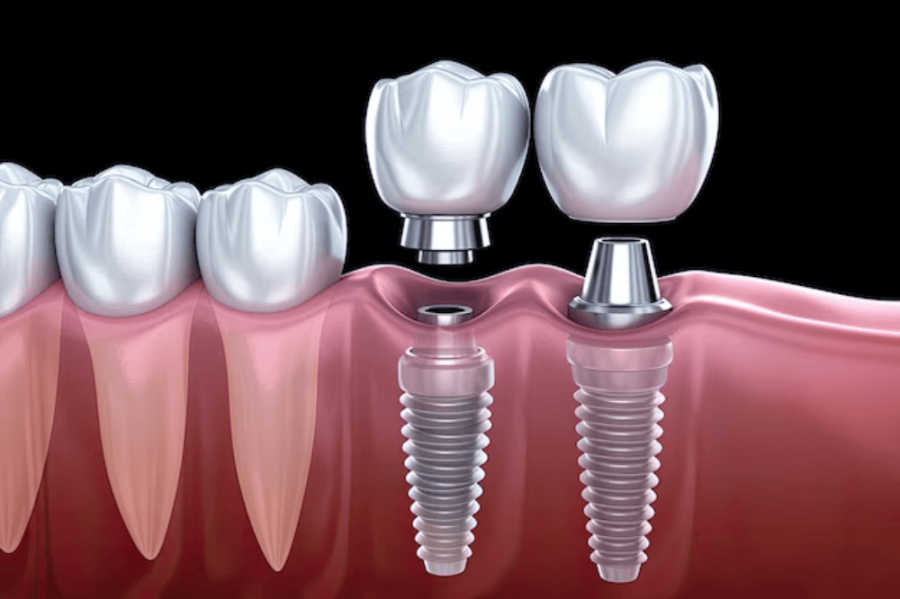
Understanding the Science Behind Modern Tooth Replacement
The quest for a beautiful smile has evolved dramatically over the centuries, transforming from rudimentary tooth replacements to sophisticated bioengineered solutions. Modern dental implantology represents one of the most remarkable achievements in contemporary dentistry, where science meets artistry to create lasting results. The success of these procedures hinges significantly on biocompatibility—the ability of dental implants Northern Ireland to integrate harmoniously with human tissue without causing adverse reactions.
Biocompatibility forms the cornerstone of successful dental implant procedures, determining whether a patient’s body will accept or reject the artificial tooth root. This fascinating interplay between materials science and human biology has revolutionised how dental professionals approach tooth replacement, offering patients unprecedented opportunities to restore both function and aesthetics to their smiles.
The Materials That Make Magic Happen
Titanium stands as the gold standard in dental implant materials, earning its reputation through decades of clinical success and scientific validation. This remarkable metal possesses unique properties that make it exceptionally suitable for long-term integration with human bone tissue. Its corrosion resistance, strength, and most importantly, its ability to promote osseointegration—the direct structural connection between living bone and implant surface—have made it the material of choice for dental professionals worldwide.
The surface characteristics of titanium implants play a crucial role in their biocompatibility. Modern manufacturing techniques create micro-textured surfaces that encourage bone cells to grow and attach directly to the implant, creating a stable foundation that can last for decades. This process, known as osseointegration, was first discovered by Swedish orthopaedic surgeon Per-Ingvar Brånemark in the 1960s and has since become the foundation of modern implant dentistry.
Advancing Beyond Traditional Approaches
Contemporary research continues to push the boundaries of what is possible in implant biocompatibility. Scientists are exploring innovative surface treatments and coatings that can accelerate healing times and improve integration success rates. These pioneering developments in biocompatible dental implant technology represent the cutting edge of modern dentistry, offering patients enhanced outcomes and reduced recovery periods.
Zirconia has emerged as an alternative material, gaining considerable attention within the dental community. This ceramic material offers excellent biocompatibility whilst providing aesthetic advantages, particularly for patients with thin gum tissue where metal visibility might be a concern. The white colour of zirconia eliminates the potential for grey shadowing that can occasionally occur with titanium implants.
Patients seeking dental implants now have access to these advanced materials and techniques, benefiting from the latest developments in biocompatible implant technology.
The Body’s Response to Implant Integration
The human body’s response to dental implants follows a predictable yet remarkable sequence of biological events. Upon placement, the immune system initially recognises the implant as a foreign object, triggering a carefully orchestrated healing response. However, the biocompatible nature of properly selected materials ensures this response leads to integration rather than rejection. The surrounding bone tissue begins to remodel itself around the implant surface, creating new bone cells that eventually form a direct bond with the implant material.
This healing process typically unfolds over several months, with the most critical period occurring within the first few weeks following placement. During this time, blood vessels regenerate around the implant site, delivering essential nutrients and oxygen to support the healing tissues. The success of this integration depends heavily on factors such as implant design, surface treatment, and the patient’s overall health status.
Factors Influencing Biocompatibility Success
Several elements contribute to the successful biocompatibility of dental implants. Patient health plays a fundamental role, with conditions such as diabetes or autoimmune disorders potentially affecting the body’s ability to integrate with implant materials. Smoking significantly impairs healing and can compromise the long-term success of implant integration, making lifestyle modifications an important consideration for prospective patients.
The surgical technique employed during implant placement also influences biocompatibility outcomes. Precise surgical protocols that minimise tissue trauma and maintain optimal temperatures during drilling help preserve the viability of surrounding bone tissue. Recent research on biocompatible materials in dental applications continues to refine our understanding of these critical factors.
Future Innovations in Biocompatible Design
Emerging technologies promise to further enhance the biocompatibility of dental implants. Surface modifications using nanotechnology are being developed to promote faster and more robust bone integration. These innovations include the application of bioactive coatings that can release growth factors to stimulate bone formation around the implant site.
Advanced imaging techniques now allow dental professionals to assess bone quality and density with unprecedented precision, enabling more accurate treatment planning and improved outcomes. Scientific studies on implant biocompatibility and longevity continue to provide valuable insights into optimising these procedures for long-term success.
Achieving Long-Term Success Through Scientific Excellence
The journey to a seamless smile through dental implants represents a triumph of modern biomedical engineering. The exceptional biocompatibility of contemporary implant materials, combined with refined surgical techniques and ongoing scientific research, offers patients reliable solutions for tooth replacement. As technology continues to advance, the future promises even greater success rates and enhanced patient experiences, making the dream of a radiant, functional smile an achievable reality for countless individuals seeking to restore their dental health and confidence.
