Dental

Mastering Dental Hygiene with Minimal Effort

Introduction

Maintaining optimal oral health doesn’t have to be a complex endeavour. With the right approach and knowledge, anyone can achieve excellent dental hygiene in Canary Wharf or anywhere else in the UK. This comprehensive guide explores straightforward yet effective methods to enhance oral care routines without overwhelming effort.

Understanding the Basics of Oral Care

According to leading dental health researchers and experts, the foundation of good oral hygiene lies in consistent, proper technique rather than complicated procedures. Simple daily habits, when performed correctly, can prevent most common dental issues and maintain healthy teeth and gums for years to come.

Essential Daily Practices

The cornerstone of dental hygiene involves several key practices that require minimal time investment but yield significant results:

  • Brushing teeth twice daily with fluoride toothpaste
  • Flossing at least once per day
  • Rinsing with an appropriate mouthwash
  • Cleaning the tongue regularly

Smart Technology in Dental Care

Modern innovations have revolutionised the way people approach dental hygiene in Canary Wharf and beyond. Electric toothbrushes with built-in timers, water flossers, and smartphone apps that track brushing habits have made maintaining oral health more accessible and efficient than ever before.

Time-Saving Techniques

Maximising efficiency in dental care doesn’t mean cutting corners. Instead, it involves adopting clever strategies that make the most of the time spent on oral hygiene:

  1. Using an electric toothbrush with pressure sensors
  2. Keeping floss picks in convenient locations
  3. Setting regular reminders for dental care routines
  4. Combining oral care with other daily activities

Dietary Considerations for Oral Health

What one consumes plays a crucial role in maintaining dental hygiene. Dental experts recommend specific dietary choices that naturally support oral health whilst requiring minimal additional effort:

Foods That Support Dental Health

Several everyday foods can contribute to better oral hygiene:

  • Crunchy vegetables like carrots and celery
  • Sugar-free dairy products
  • Green and black teas
  • Foods rich in vitamin D and calcium

Age-Specific Considerations

Dental care needs evolve throughout one’s life, and understanding these changes helps in maintaining optimal oral health. Recent studies in geriatric dental care highlight the importance of adapting oral hygiene routines as people age, ensuring that dental hygiene in Canary Wharf and elsewhere remains effective regardless of life stage.

Preventative Measures

Prevention is always better than cure when it comes to dental health. Simple preventative steps can significantly reduce the likelihood of developing serious oral health issues:

  • Regular dental check-ups every six months
  • Immediate attention to any unusual oral symptoms
  • Proper storage and replacement of dental care tools
  • Avoiding harmful habits like teeth grinding

Professional Care Integration

While daily home care forms the foundation of good oral hygiene, professional dental care remains essential. Regular visits to dental professionals complement home care routines and ensure comprehensive oral health maintenance. These visits need not be time-consuming or complicated when scheduled appropriately and maintained consistently.

Making the Most of Professional Visits

To optimise professional dental visits, patients should:

  • Keep a record of any oral health concerns
  • Follow post-treatment care instructions diligently
  • Schedule appointments at convenient times
  • Maintain regular cleaning intervals

Conclusion

Achieving excellent dental hygiene doesn’t require excessive time or complicated procedures. By implementing these straightforward strategies and maintaining consistent habits, anyone can develop an effective oral care routine that fits seamlessly into their daily life. Remember that small, consistent efforts in dental care yield significant long-term benefits for oral health and overall wellbeing.
Dental

The Journey of Veneers: Enhancing Functionality and Beauty

Introduction: Veneers Through the Years

Dental veneers have revolutionised modern cosmetic dentistry, offering a remarkable solution for individuals seeking to enhance their smiles. These thin, custom-made shells have become increasingly popular amongst those visiting dental practices, including those seeking veneers Balwyn and surrounding areas. The evolution of veneer technology has made significant strides since their inception in the 1920s, providing patients with more natural-looking and durable options.

The Evolution of Dental Veneers

The history of dental veneers dates back to when California dentist Charles Pincus pioneered temporary veneers for film actors. Today, these dental appliances have transformed into sophisticated solutions that combine aesthetics with functionality. Modern veneers are crafted from high-quality materials, primarily porcelain or composite resin, offering durability and a natural appearance that seamlessly integrates with existing teeth.

Types of Veneers Available

Contemporary dental practices offer various types of veneers, each with unique characteristics suited to different dental needs:

  • Porcelain Veneers: Known for their durability and stain resistance
  • Composite Veneers: Offering a more conservative approach to tooth preparation
  • Minimal-prep Veneers: Requiring minimal alteration of natural tooth structure

The Consultation Process

When considering veneers, patients often begin their journey with a comprehensive consultation. During this initial phase, dental professionals evaluate various factors to determine suitability for the treatment. This assessment typically includes examining oral health, discussing aesthetic goals, and explaining the various options available to achieve the desired outcome.

Treatment Planning and Customisation

The success of veneer treatment largely depends on meticulous planning and customisation. Modern dental practices utilise advanced imaging technology to create precise treatment plans, ensuring that each veneer is crafted to complement the patient’s facial features, skin tone, and existing dental structure. This attention to detail results in veneers that not only look natural but also function harmoniously with the patient’s bite.

Preparation and Temporisation

The journey continues with the careful preparation of the natural teeth, where dentists employ precise techniques to preserve as much natural tooth structure as possible. This conservative approach maintains the tooth’s integrity while creating the ideal foundation for the permanent veneers.

The Application Process

The placement of permanent veneers requires exceptional precision and artistic skill. Dental professionals carefully bond each veneer to the prepared teeth, ensuring proper alignment and a natural appearance. This meticulous process involves checking the fit, colour match, and bite alignment to achieve optimal results.

Aftercare and Maintenance

Following the placement of veneers, patients receive comprehensive guidance on maintaining their new smile. While veneers are designed to be durable, proper care ensures their longevity. Regular dental hygiene practices, including:

  • Twice-daily brushing with non-abrasive toothpaste
  • Daily flossing to maintain gum health
  • Regular dental check-ups and professional cleanings
  • Avoiding excessive force when biting or chewing

Living with Veneers

The transformation that veneers provide extends beyond mere aesthetics. Many patients report increased confidence in social and professional situations. The natural appearance and functionality of modern veneers allow individuals to speak, eat, and smile with complete assurance, knowing their dental restoration appears completely natural.

Long-term Benefits

When properly maintained, veneers offer numerous advantages over time. They provide stability to the dental structure while maintaining their aesthetic appeal. The durability of modern materials means that patients can enjoy their enhanced smiles for many years, making them a worthwhile investment in oral health and appearance.

Conclusion

The journey of veneers represents a significant advancement in cosmetic dentistry, offering a sophisticated solution for those seeking to enhance their smiles. From the initial consultation through to the final placement and beyond, the process combines scientific precision with artistic vision to create results that are both beautiful and functional.

For individuals considering this treatment option, understanding the journey helps in making informed decisions about their dental care. The combination of modern materials, advanced techniques, and skilled professionals has made veneers a reliable choice for achieving dental enhancement while maintaining natural tooth structure.

As dental technology continues to evolve, the future of veneers looks promising, with ongoing developments in materials and techniques promising even more refined results. This continuous advancement ensures that patients will continue to benefit from improvements in both the aesthetic and functional aspects of veneer treatment.

Any surgical or invasive procedure carries risks. Before proceeding you should seek a second opinion from an appropriately qualified health practitioner.

Dental

Elevating Dental Wellness Through Personalised Preventive Care

Introduction to Preventive Practices

In today’s evolving healthcare landscape, personalised preventive dental care has emerged as a cornerstone of maintaining optimal oral health. Modern dental practices, including those of every dentist Richmond residents trust, are increasingly focusing on tailored approaches that consider each patient’s unique oral health needs and circumstances.

Understanding Personalised Preventive Care

Personalised preventive care in dentistry represents a significant shift from the traditional one-size-fits-all approach to oral healthcare. This innovative methodology involves creating customised preventive care strategies that address individual risk factors and specific oral health challenges.

Key Components of Personalised Dental Care

A comprehensive personalised preventive care plan typically encompasses several essential elements:

  • Individualised risk assessment
  • Customised cleaning schedules
  • Targeted preventive treatments
  • Personalised oral hygiene instructions
  • Regular monitoring and adjustment of care plans

The Science Behind Personalisation

Recent advances in dental research have demonstrated that oral health outcomes significantly improve when prevention strategies are tailored to individual needs. This approach considers various factors, including genetic predisposition, lifestyle habits, and existing health conditions.

Advanced Assessment Techniques

Modern dental practices employ sophisticated assessment tools to develop personalised care plans. These may include:

  1. Digital imaging and 3D scanning
  2. Salivary diagnostic tests
  3. Genetic screening for dental conditions
  4. Comprehensive medical history analysis

Special Considerations in Preventive Care

Every dentist recognises that certain populations require particularly specialised approaches to preventive care. Specialised dental care facilities now offer tailored services for patients with unique needs, ensuring that preventive care is accessible and effective for everyone.

Implementing Personalised Care Strategies

The implementation of personalised preventive care strategies requires a collaborative approach between dental professionals and patients. Every dentist understands that successful outcomes depend on clear communication and patient engagement in their oral health journey.

Technology’s Role in Personalisation

Modern dental practices leverage advanced technology to enhance the delivery of personalised care. Digital platforms enable practitioners to track patient progress, adjust treatment plans in real-time, and maintain detailed records of individual responses to various interventions.

Patient Education and Engagement

Effective personalised care relies heavily on patient understanding and participation. Key aspects include:

  • Detailed explanations of individual risk factors
  • Demonstration of proper oral hygiene techniques
  • Regular feedback on progress
  • Ongoing support and motivation

Long-term Benefits of Personalised Prevention

The adoption of personalised preventive care approaches offers numerous advantages for long-term oral health maintenance. These benefits extend beyond basic dental hygiene to encompass overall health and well-being.

Measurable Outcomes

Studies have shown that personalised preventive care leads to:

  • Reduced incidence of dental caries
  • Improved periodontal health
  • Better management of chronic oral conditions
  • Enhanced patient satisfaction and compliance

Conclusion

The evolution of personalised preventive dental care represents a significant advancement in oral healthcare delivery. By embracing individualised approaches, dental professionals can provide more effective, efficient, and patient-centred care. As understanding of personal risk factors and preventive strategies continues to grow, the future of dental care looks increasingly customised to meet each patient’s unique needs.

The success of personalised preventive care ultimately depends on the commitment of both dental professionals and patients to work together in maintaining optimal oral health. Through continued advancement in technology and understanding of individual patient needs, the field of preventive dentistry continues to evolve, offering increasingly sophisticated and effective solutions for oral health maintenance.

Dental

Harnessing AI for a Bespoke Dentistry Experience

Introduction to AI

In the ever-evolving world of dental care, technology continues to play an instrumental role in shaping the future of dentistry. Among the myriad advancements, artificial intelligence (AI) has emerged as a transformative force, offering bespoke experiences tailored to the unique needs of each patient. This blog post explores how AI is revolutionising dental practices and what it means for both practitioners and patients alike.

The Role of AI in Modern Dentistry

AI is increasingly becoming integral to dental practices, offering a range of benefits that enhance patient care and streamline clinical procedures. From diagnosis to treatment planning, AI provides unprecedented accuracy and efficiency.

Enhanced Diagnostic Accuracy

AI algorithms have the ability to analyse vast amounts of data, allowing dentists to detect anomalies with a precision that surpasses traditional methods. For instance, AI-driven imaging tools can identify cavities, tumours, and other dental issues at an early stage, improving the chances of successful intervention. This development highlights the potential for AI to transform diagnostic procedures in dentistry.

Personalised Treatment Plans

By analysing patient history and preferences, AI can assist in crafting personalised treatment plans. This ensures that patients receive care that is specifically tailored to their needs, enhancing their overall experience. A recent study supports the integration of AI in developing customised treatment strategies that consider a patient’s dental history, lifestyle, and oral health goals.

Streamlining Dental Practices

AI is not only transforming patient care but also improving the operational efficiency of dental practices. This technology automates routine tasks, allowing practitioners to focus more on patient interaction and care.

Automated Scheduling and Patient Management

  • AI-powered systems can automate appointment scheduling, reducing administrative burdens and improving the patient experience.
  • These systems also assist in managing patient data securely and efficiently, ensuring seamless communication between the dental practice and its patients.

Optimising Resource Allocation

AI helps in predicting patient flow and resource requirements, enabling practices to allocate their resources effectively. This ensures that dentists can provide quality care without unnecessary delays. Research indicates that AI-driven systems can anticipate the need for specific materials and equipment, reducing waste and improving sustainability.

The Future of AI in Dentistry

As AI continues to develop, its application in dentistry is expected to expand. Future innovations may include more advanced predictive analytics for patient outcomes and even greater levels of personalisation.

  1. Predictive Analytics: AI could forecast potential dental issues before they arise, allowing for proactive treatment strategies.
  2. Enhanced Patient Communication: AI tools could facilitate better communication between dentists and patients, providing educational resources and reminders tailored to individual needs.

Practices like dentist Coorparoo are already leveraging these advancements, positioning themselves at the forefront of modern dental care.

Conclusion

Artificial intelligence is undoubtedly redefining the landscape of dentistry, offering tailored experiences that cater to the individual needs of each patient. With the integration of AI, dental practices can provide precise diagnostics, personalised treatment plans, and efficient operations, all of which contribute to an enhanced patient journey. As AI technology continues to evolve, the potential for a more bespoke and improved dental experience becomes increasingly attainable.

Any surgical or invasive procedure carries risks. Before proceeding you should seek a second opinion from an appropriately qualified health practitioner.

Dental

Crafting Resilient Smiles: The Role of Dental Implants in Stress Adaptation

Introduction to Dental Implants

In today’s fast-paced world, the stress of daily life can manifest in various physical ailments, including dental issues. Missing teeth not only affect aesthetics but also the psychological well-being of individuals. Enter dental implants, a revolutionary solution that offers not only cosmetic benefits but also plays a crucial role in stress adaptation. In particular, the availability of dental implants Manchester provides a beacon of hope for those seeking to restore their smiles and confidence.

The Science Behind Dental Implants

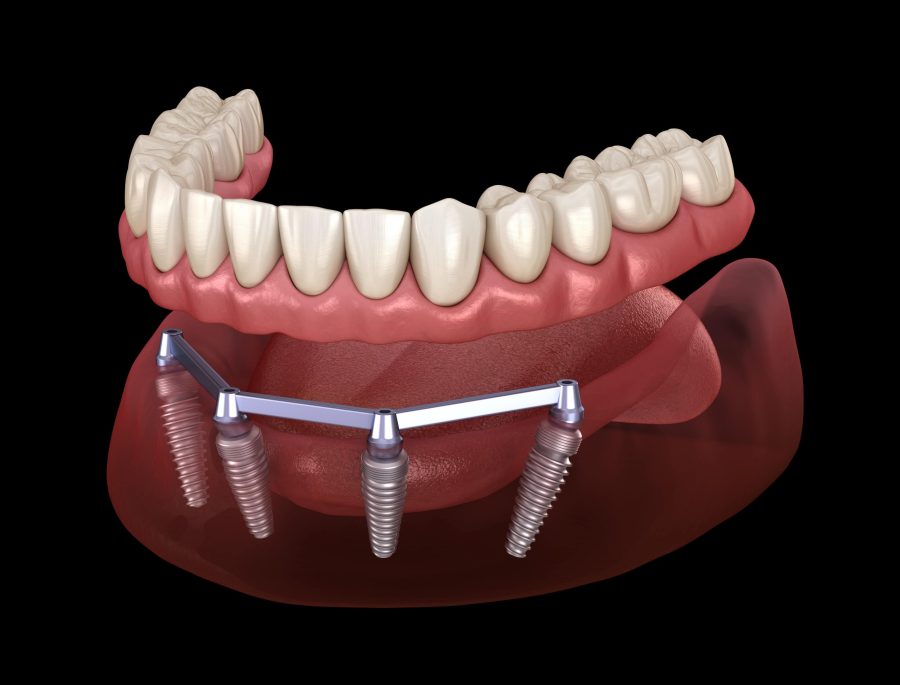
Dental implants are a popular choice for people with missing teeth due to their durability and natural appearance. They comprise a titanium post that is surgically placed into the jawbone, acting as a root for the replacement tooth. This integration with the jawbone provides a stable foundation, allowing the implant to function like a natural tooth.

The Implantation Process

The process of getting dental implants involves several stages. Initially, the oral surgeon assesses the patient’s oral health to determine if they are a suitable candidate for implants. This is followed by the surgical placement of the implant, a healing period to allow for osseointegration, and finally, the attachment of the prosthetic tooth. For a comprehensive understanding of the procedure involved in dental implants, one can explore various medical sources that provide detailed insights.

Dental Implants and Stress Adaptation

The impact of dental implants extends beyond physical aesthetics. They play a vital role in enhancing an individual’s quality of life by reducing stress associated with missing teeth. Here’s how dental implants contribute to stress adaptation:

  • Improved Confidence: A full set of teeth allows individuals to smile, speak, and eat without hesitation, significantly boosting self-esteem.
  • Enhanced Oral Function: Dental implants restore natural biting and chewing abilities, reducing dietary restrictions and promoting better nutrition.
  • Psychological Well-being: By eliminating the embarrassment of missing teeth, implants help reduce anxiety related to social interactions.

These benefits explain why dental implants are gaining popularity globally, as they offer a solution that addresses both physical and emotional elements of well-being.

Why Choose Dental Implants?

The decision to opt for dental implants should be well-informed. They are suitable for anyone with one or more missing teeth, provided they have healthy gums and sufficient jawbone density. Individuals interested in dental implants should consult with their dental practitioner to understand what they should know about dental implants before proceeding.

  1. Long-lasting Solution: With proper care, dental implants can last a lifetime, making them a cost-effective option over time.
  2. Natural Look and Feel: Implants mimic the appearance and function of real teeth, providing a seamless aesthetic.
  3. Preservation of Jawbone: Implants stimulate the jawbone, preventing bone loss commonly associated with missing teeth.

In Manchester, accessing reliable dental implant services ensures that patients receive the best care, designed to meet individual needs and preferences.

Conclusion

In conclusion, dental implants Manchester offer an innovative and effective solution for those struggling with the challenges of missing teeth. They not only restore the natural functionality and appearance of teeth but also play an instrumental role in reducing stress and improving mental well-being. By choosing dental implants, individuals can look forward to a future filled with confident smiles and enhanced quality of life.

Dental

The Role of Dental Implants in Enhancing Oral Functionality

Introduction

In recent years, dental implants have become increasingly popular, offering a reliable solution to replace missing teeth and restore oral functions. This blog post explores the significant role dental implants play in enhancing oral functionality, and how they can transform the lives of those who choose this innovative dental procedure.

Understanding Dental Implants

Dental implants are artificial tooth roots, typically made of titanium, that are surgically placed into the jawbone. They serve as a sturdy foundation for fixed or removable replacement teeth, offering a natural look and feel. The popularity of dental implants has surged, particularly in urban areas like dental implants Sydney, due to their durability and functionality.

Components of a Dental Implant

  1. Implant: The screw-like device that is inserted into the jawbone.
  2. Abutment: A connector placed on top of the implant to hold the tooth or set of teeth.
  3. Crown: The prosthetic tooth, often made from porcelain or ceramic, that sits atop the abutment.

How Dental Implants Enhance Oral Functionality

Dental implants significantly improve oral functionality by restoring the ability to chew and speak efficiently. This enhancement goes beyond aesthetics, providing a practical solution to those struggling with missing teeth. With dental implants, individuals can relish their favourite foods without discomfort or embarrassment.

Improved Chewing Ability

  • Stability: Unlike dentures, dental implants do not slip or move, allowing for a stable and secure bite.
  • Strength: Implants function like natural teeth, enabling consumers to eat a wide range of foods.

For more details on how dental implants can improve chewing ability, refer to the FDA guidelines on dental implants.

Enhanced Speech Clarity

Missing teeth or poorly fitted dentures can lead to slurred or mumbled speech. Dental implants eliminate this issue by providing a secure fit that supports clear communication. As a result, individuals with implants experience an increase in confidence and social interaction.

Long-term Benefits of Dental Implants

Dental implants offer numerous long-term benefits that contribute to overall oral health. Unlike other dental solutions, implants are designed to last a lifetime with proper care. This longevity makes them a worthy investment for many seeking permanent solutions for missing teeth.

Preservation of Jawbone Structure

When a tooth is lost, the jawbone begins to deteriorate due to the absence of stimulation. Dental implants provide the necessary stimulation to prevent bone loss, preserving the natural shape of the face and maintaining the structural integrity of the jawbone.

Further information on the benefits of dental implants can be found in this health article detailing the advantages of dental implants.

Maintenance and Care

Maintaining dental implants is relatively straightforward. Regular brushing, flossing, and dental check-ups are essential to ensure the longevity and health of the implants. Unlike dentures, there is no need for soaking or adhesives, simplifying daily oral hygiene routines.

Conclusion

Dental implants play an invaluable role in enhancing oral functionality, offering both aesthetic and practical benefits. They provide a permanent solution to missing teeth, improve quality of life, and contribute positively to oral health. As such, dental implants continue to be a preferred choice for those seeking to restore their smile and functionality.

Any surgical or invasive procedure carries risks. Before proceeding you should seek a second opinion from an appropriately qualified health practitioner.

health

Dental Implants in Melbourne: A Comprehensive Treatment Overview

Dental implants present a restorative option for individuals who have lost one or multiple teeth. These permanent tooth replacements are surgically positioned into the jawbone, providing a base for artificial teeth known as crowns. Melbourne is renowned for its high-quality dental care facilities and professionals, ensuring patients have access to top-notch dental implants treatments. This article provides a broad overview of the dental implants procedure in Melbourne, unfurling the journey from consultation to post-procedure care. In shedding light on what to expect and the importance of aftercare, we hope to equip readers with a comprehensive understanding of this restorative treatment. Offering insight into Melbourne as a prime location for receiving dental implants, we delve into the benefits and advantages that define this city’s dental care landscape.

Understanding Dental Implants

Dental implants melbourne  are a popular choice for those seeking to restore lost teeth. Mimicking the structure of natural teeth, they consist of a titanium post that integrates with the jawbone, a connector known as an abutment, and a crown that mirrors the appearance of a natural tooth. The procedure is undertaken in stages, allowing time for healing and integration. The versatility of dental implants caters to various needs; they can replace a single tooth, multiple teeth, or an entire set. As the implants fuse with the bone, they provide a firm foundation for artificial teeth, ensuring stability and comfort. Understanding dental implants is the first step towards embracing this restorative treatment. Melbourne, with its array of reputable dental facilities, stands ready to deliver quality dental implants services.

The Journey of Getting Dental Implants in Melbourne

Embarking on the path to dental implants in Melbourne begins with a thorough consultation. During this initial appointment, dental health professionals evaluate the patient’s oral health, discuss treatment options and tailor a personalised plan. The implant procedure is performed in stages, with healing time between each. This process can take several months, as it’s pivotal for the implant to integrate fully with the jawbone. Once this is achieved, the artificial tooth is affixed, completing the transformation. Navigating the journey of dental implants requires patience and trust in the professional expertise Melbourne’s dental facilities provide.

Dental implants melbourne

What to Expect During the Procedure

The procedure for dental implants, while comprehensive, is handled with meticulous attention to ensure patient comfort. It begins with the placement of the titanium implant into the jawbone, followed by a period of healing. This duration allows for osseointegration, the process where the implant fuses with the bone. Once the implant is firmly integrated, the abutment is affixed. The final stage involves attaching the artificial tooth or crown, culminating in a restoration that mimics the function and aesthetics of natural teeth. The professional environment of Melbourne’s dental facilities ensures patients are well-informed and cared for throughout the procedure.

Post-Procedure Care for Dental Implants

After receiving dental implants, adhering to post-procedure care instructions is pivotal for healing and longevity. Patients are guided on maintaining oral hygiene, including regular brushing, flossing, and professional cleanings. Avoiding hard and sticky foods during the healing phase prevents undue pressure on the implant. Regular check-ups are recommended to monitor the progress of the implant and to address any concerns promptly. The combination of patient cooperation and professional guidance ensures optimal outcomes for dental implants procedures in Melbourne.

The Benefits of Choosing Dental Implants

Selecting dental implants offers a multitude of benefits. Firstly, they provide enhanced comfort and stability compared to other tooth replacement options, as they fuse with the jawbone. This also contributes to their longevity, providing a long-term solution for tooth loss. Dental implants restore not only the aesthetics of a full smile but also the functionality of natural teeth, enabling patients to eat, speak and smile confidently. Furthermore, they contribute to maintaining facial structure, preventing bone loss which can occur with missing teeth. In Melbourne, patients can expect top-tier dental care, making the city a prime location for this transformative procedure.

Why Melbourne is a Preferred Location for Dental Implants

Melbourne is a sought-after location for dental implants due to the abundance of skilled professionals and cutting-edge dental facilities it houses. This city’s commitment to quality dental care is reflected in the high standards of treatment, post-procedure support, and patient satisfaction it consistently delivers. Melbourne’s dental facilities are equipped with advanced technology, ensuring precise and efficient procedures. Moreover, the city’s dental professionals are adept at personalising treatment plans to cater to individual needs and expectations. Choosing Melbourne for dental implants means entrusting your oral health to a city dedicated to excellence in dental care.

Any surgical or invasive procedure carries risks. Before proceeding you should seek a second opinion from an appropriately qualified health practitioner.