
Dental

Crafting Resilient Smiles: The Role of Dental Implants in Stress Adaptation

Introduction to Dental Implants

In today’s fast-paced world, the stress of daily life can manifest in various physical ailments, including dental issues. Missing teeth not only affect aesthetics but also the psychological well-being of individuals. Enter dental implants, a revolutionary solution that offers not only cosmetic benefits but also plays a crucial role in stress adaptation. In particular, the availability of dental implants Manchester provides a beacon of hope for those seeking to restore their smiles and confidence.

The Science Behind Dental Implants

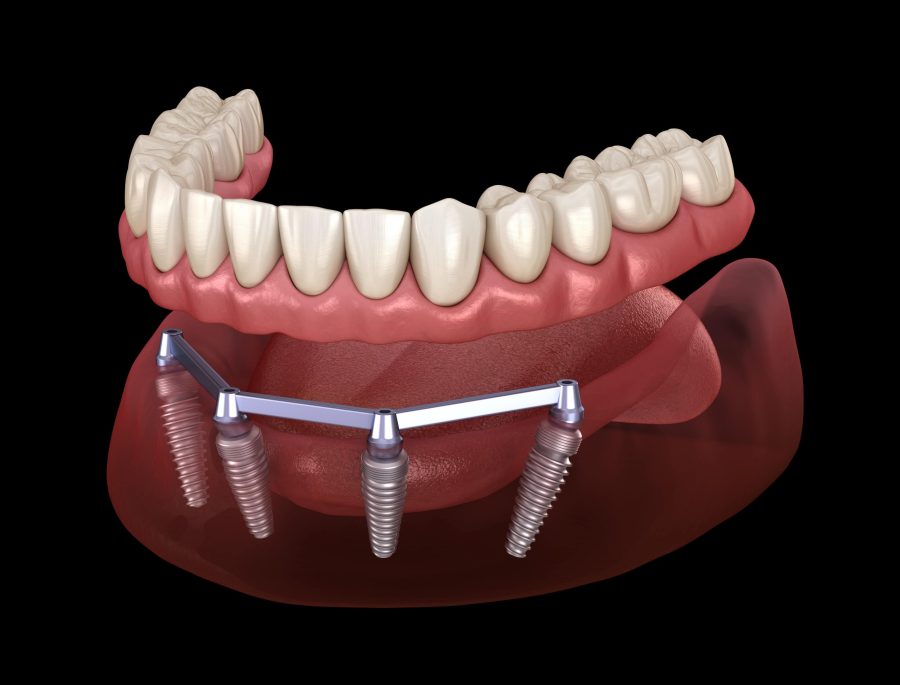
Dental implants are a popular choice for people with missing teeth due to their durability and natural appearance. They comprise a titanium post that is surgically placed into the jawbone, acting as a root for the replacement tooth. This integration with the jawbone provides a stable foundation, allowing the implant to function like a natural tooth.

The Implantation Process

The process of getting dental implants involves several stages. Initially, the oral surgeon assesses the patient’s oral health to determine if they are a suitable candidate for implants. This is followed by the surgical placement of the implant, a healing period to allow for osseointegration, and finally, the attachment of the prosthetic tooth. For a comprehensive understanding of the procedure involved in dental implants, one can explore various medical sources that provide detailed insights.

Dental Implants and Stress Adaptation

The impact of dental implants extends beyond physical aesthetics. They play a vital role in enhancing an individual’s quality of life by reducing stress associated with missing teeth. Here’s how dental implants contribute to stress adaptation:

  • Improved Confidence: A full set of teeth allows individuals to smile, speak, and eat without hesitation, significantly boosting self-esteem.
  • Enhanced Oral Function: Dental implants restore natural biting and chewing abilities, reducing dietary restrictions and promoting better nutrition.
  • Psychological Well-being: By eliminating the embarrassment of missing teeth, implants help reduce anxiety related to social interactions.

These benefits explain why dental implants are gaining popularity globally, as they offer a solution that addresses both physical and emotional elements of well-being.

Why Choose Dental Implants?

The decision to opt for dental implants should be well-informed. They are suitable for anyone with one or more missing teeth, provided they have healthy gums and sufficient jawbone density. Individuals interested in dental implants should consult with their dental practitioner to understand what they should know about dental implants before proceeding.

  1. Long-lasting Solution: With proper care, dental implants can last a lifetime, making them a cost-effective option over time.
  2. Natural Look and Feel: Implants mimic the appearance and function of real teeth, providing a seamless aesthetic.
  3. Preservation of Jawbone: Implants stimulate the jawbone, preventing bone loss commonly associated with missing teeth.

In Manchester, accessing reliable dental implant services ensures that patients receive the best care, designed to meet individual needs and preferences.

Conclusion

In conclusion, dental implants Manchester offer an innovative and effective solution for those struggling with the challenges of missing teeth. They not only restore the natural functionality and appearance of teeth but also play an instrumental role in reducing stress and improving mental well-being. By choosing dental implants, individuals can look forward to a future filled with confident smiles and enhanced quality of life.

Dental

The Role of Dental Implants in Enhancing Oral Functionality

Introduction

In recent years, dental implants have become increasingly popular, offering a reliable solution to replace missing teeth and restore oral functions. This blog post explores the significant role dental implants play in enhancing oral functionality, and how they can transform the lives of those who choose this innovative dental procedure.

Understanding Dental Implants

Dental implants are artificial tooth roots, typically made of titanium, that are surgically placed into the jawbone. They serve as a sturdy foundation for fixed or removable replacement teeth, offering a natural look and feel. The popularity of dental implants has surged, particularly in urban areas like dental implants Sydney, due to their durability and functionality.

Components of a Dental Implant

  1. Implant: The screw-like device that is inserted into the jawbone.
  2. Abutment: A connector placed on top of the implant to hold the tooth or set of teeth.
  3. Crown: The prosthetic tooth, often made from porcelain or ceramic, that sits atop the abutment.

How Dental Implants Enhance Oral Functionality

Dental implants significantly improve oral functionality by restoring the ability to chew and speak efficiently. This enhancement goes beyond aesthetics, providing a practical solution to those struggling with missing teeth. With dental implants, individuals can relish their favourite foods without discomfort or embarrassment.

Improved Chewing Ability

  • Stability: Unlike dentures, dental implants do not slip or move, allowing for a stable and secure bite.
  • Strength: Implants function like natural teeth, enabling consumers to eat a wide range of foods.

For more details on how dental implants can improve chewing ability, refer to the FDA guidelines on dental implants.

Enhanced Speech Clarity

Missing teeth or poorly fitted dentures can lead to slurred or mumbled speech. Dental implants eliminate this issue by providing a secure fit that supports clear communication. As a result, individuals with implants experience an increase in confidence and social interaction.

Long-term Benefits of Dental Implants

Dental implants offer numerous long-term benefits that contribute to overall oral health. Unlike other dental solutions, implants are designed to last a lifetime with proper care. This longevity makes them a worthy investment for many seeking permanent solutions for missing teeth.

Preservation of Jawbone Structure

When a tooth is lost, the jawbone begins to deteriorate due to the absence of stimulation. Dental implants provide the necessary stimulation to prevent bone loss, preserving the natural shape of the face and maintaining the structural integrity of the jawbone.

Further information on the benefits of dental implants can be found in this health article detailing the advantages of dental implants.

Maintenance and Care

Maintaining dental implants is relatively straightforward. Regular brushing, flossing, and dental check-ups are essential to ensure the longevity and health of the implants. Unlike dentures, there is no need for soaking or adhesives, simplifying daily oral hygiene routines.

Conclusion

Dental implants play an invaluable role in enhancing oral functionality, offering both aesthetic and practical benefits. They provide a permanent solution to missing teeth, improve quality of life, and contribute positively to oral health. As such, dental implants continue to be a preferred choice for those seeking to restore their smile and functionality.

Any surgical or invasive procedure carries risks. Before proceeding you should seek a second opinion from an appropriately qualified health practitioner.

Dental

SEO Strategies for Dental Practices: Tips to Outrank Competitors

In the ever-competitive world of dentistry, standing out among the myriad practices vying for the top spot in search engine rankings is no small feat. This is where dental SEO comes into play. With a strategic and well-executed SEO approach, dental practices can drastically improve their online visibility, attract more potential patients, and ultimately, outshine competitors. But what’s the best way to use SEO to your advantage? From fine-tuning your website for local search to creating high-quality, relevant content and building a robust backlink profile, there’s a wealth of strategies at your disposal. Whether you’re a seasoned dental practice or a budding start-up, these tips can help you navigate the SEO landscape and elevate your practice to new heights.

1. Understanding the Importance of Dental SEO

In the digital age, the importance of SEO cannot be overstated. It’s a game-changer that can significantly boost the visibility of your dental practice online. SEO, or search engine optimisation, involves refining your website and online presence to improve your rankings in search engine results, primarily Google. The higher you rank, the more likely potential patients are to find your practice. Given that the vast majority of online experiences begin with a search engine, it’s clear that an effective SEO strategy can be a potent tool in attracting and retaining patients. It’s not just about visibility, though – dental SEO can also enhance user experience, fostering trust and credibility among potential patients. So, understanding and harnessing the power of SEO is a key step in outperforming competitors.

2. Conducting Effective Keyword Research

If you’re looking to build an effective SEO strategy, solid keyword research is essential. It involves identifying and analysing the search terms that potential patients are using to find dental services online. By understanding these keywords, you can tailor your website and content to match what your target audience is searching for, thereby increasing your visibility in search engine results. Effective keyword research goes beyond just identifying the most searched terms; it also takes into account the intent behind the search. For instance, someone searching for ’emergency dentist’ likely needs immediate care, while ‘teeth whitening cost’ may be from a user in the research phase. Incorporating a diverse range of keywords that cater to different search intents can help attract a wider array of potential patients.

3. Optimising Your Website for Local Search

Local SEO is crucial for dental practices, given that most patients are likely to choose a dentist within a close geographical radius. By optimising your website for local search, you can increase your visibility among potential patients in your area. This involves ensuring your practice’s name, address, and phone number (NAP) are consistent across all online platforms, leveraging local keywords (like ‘dentist in [city name]’), and claiming your Google My Business listing. The latter is a free tool that allows you to manage your online presence across Google, including search and maps. By providing accurate and comprehensive information about your practice, encouraging reviews, and posting regular updates, you can enhance your local SEO and boost your rankings in local search results.

4. Creating High-Quality, Relevant Content

No successful SEO strategy is complete without great content. Creating high-quality, relevant content not only engages and educates your audience but also signals to search engines that your website is a valuable resource. This can boost your rankings and visibility. For dental practices, this might involve creating informative blog posts about oral health, how-to guides for dental care, or FAQs about your services. Remember to incorporate your researched keywords naturally, ensuring the content remains reader-friendly. Also, consider including visuals like images or infographics to enhance user experience. Regularly updating your website with fresh content can also maintain your relevance and keep your audience coming back for more. Ultimately, quality content can position your practice as an authority in the field, fostering trust and credibility among potential patients.

5. Building a Strong Backlink Profile

Backlinks, or links from other websites to yours, are a significant ranking factor in SEO. If you’re taking your SEO seriously, you’ll want to nail down backlinks, which are links from other sites. Search engines view them as endorsements of your content’s quality and relevance, which can boost your credibility and rankings. For dental practices, this might involve collaborating with healthcare blogs, local businesses, or industry authorities to generate high-quality backlinks. You can also create shareable content, such as infographics or informative guides, that others might naturally link to. Be wary, though, as not all backlinks are created equal. Those from reputable, relevant websites hold more weight than those from low-quality or unrelated sites. Therefore, focus on building a strong, healthy backlink profile which can significantly enhance your dental SEO efforts.

6. Utilising Social Media and Online Reviews

Social media platforms and online reviews can be powerful tools in enhancing your dental SEO strategy. By maintaining an active presence on platforms like Facebook, Twitter, and Instagram, you can engage with your audience, promote your content, and increase visibility. Sharing user-generated content or showcasing patient testimonials can also foster trust and authenticity. As for online reviews, they play a crucial role in local SEO. Try to convince any happy patients to leave a google review on your Google My Business profile. Positive reviews can improve your reputation, boost your rankings in local search results, and influence potential patients’ decision-making. Remember, it’s not just about quantity – the quality and consistency of reviews matter too. So, invest time in managing your online reputation as part of your comprehensive SEO strategy.

7. Monitoring and Adjusting Your SEO Strategy

Once your dental SEO strategy is up and running, it’s vital to monitor its performance and make necessary adjustments. SEO isn’t a one-time effort; it requires ongoing management to stay effective. You can keep an eye on organic traffic, bounce rate, and conversion rate through tools such as Google Analytics and Google Search Console. Keep an eye on which keywords are driving traffic and which pages are most popular. Stay abreast of SEO trends and algorithm updates as search engines continually evolve. If a tactic isn’t delivering results, don’t be afraid to tweak or replace it. The key is to be flexible and adaptive, continually refining your strategy to stay ahead of competitors. Remember, SEO is a long game – while results may not be instant, the payoff in the long run can be substantial.